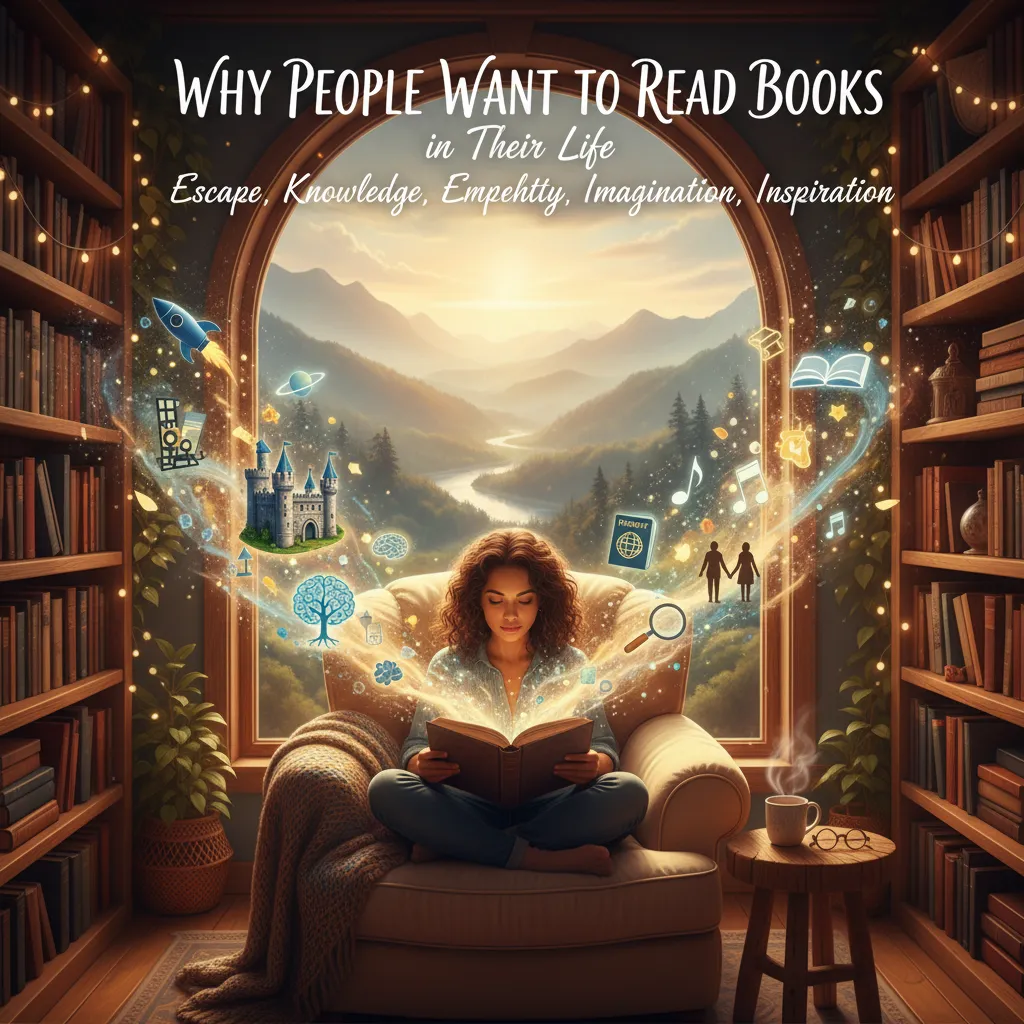
In a world dominated by digital screens, social media scrolls, and instant gratification, the timeless act of reading books might seem like a relic of the past. Yet, millions of people around the globe continue to pick up books—physical or digital—seeking something more profound than fleeting entertainment. But why do people want to read books in their life? What drives this enduring habit, and what purposes does it serve? From expanding knowledge to fostering empathy, reducing stress, and even extending lifespan, reading offers a multitude of benefits that enrich our personal, professional, and emotional lives.
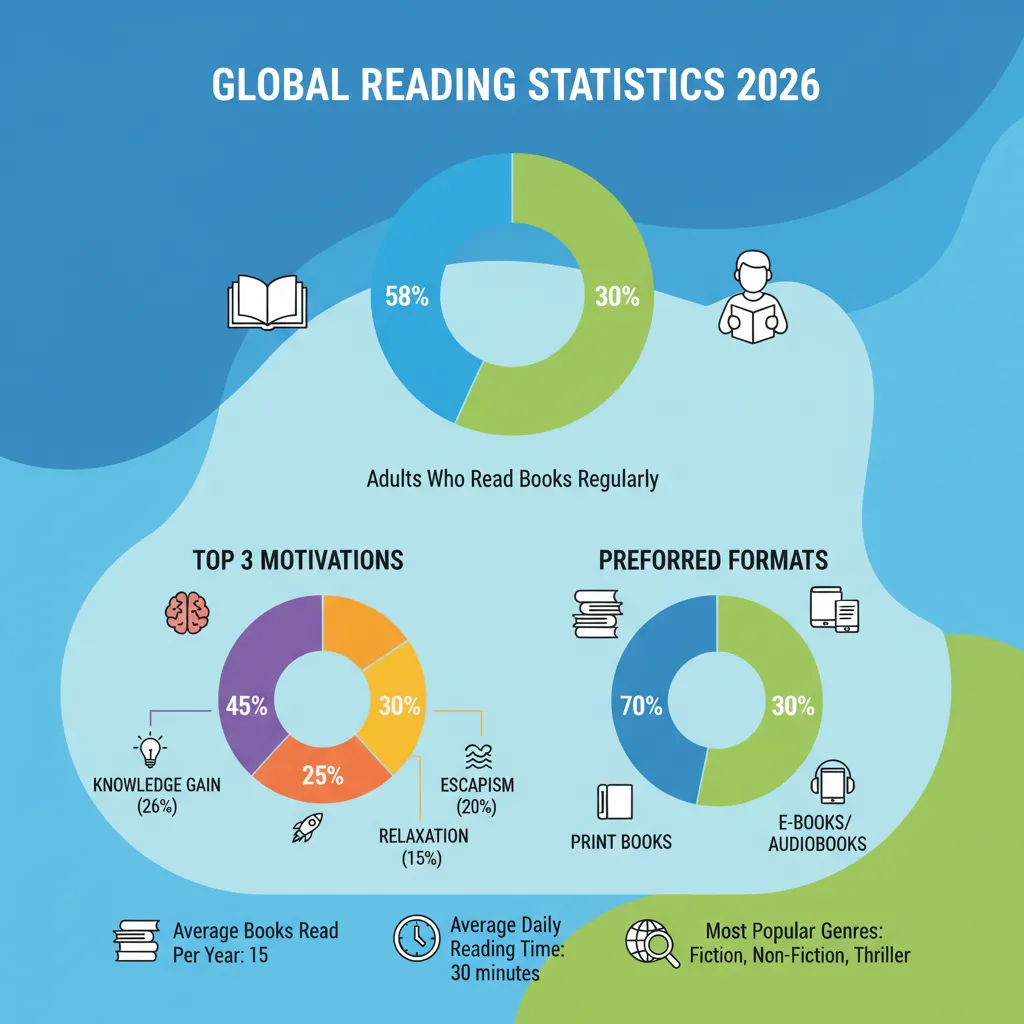
Reading isn’t just a hobby; it’s a purposeful pursuit that has evolved with humanity. According to a 2024 Pew Research Center update, over 70% of adults report reading at least one book in the past year, with motivations ranging from personal growth to pure escapism. In 2026, as we navigate post-pandemic mental health challenges and rapid technological changes, books remain a sanctuary for many. They provide a way to disconnect from the chaos, dive into new worlds, and emerge wiser and more resilient.
This article delves into the core reasons why people integrate reading into their daily lives. We’ll explore the psychological, cognitive, and social purposes behind it, backed by scientific studies and real-world insights. Whether you’re a lifelong bookworm or someone considering picking up a novel for the first time, understanding these motivations can inspire you to make reading a priority. By the end, you’ll see how this simple activity can transform your mindset, health, and overall well-being.
The Pursuit of Knowledge and Lifelong Learning
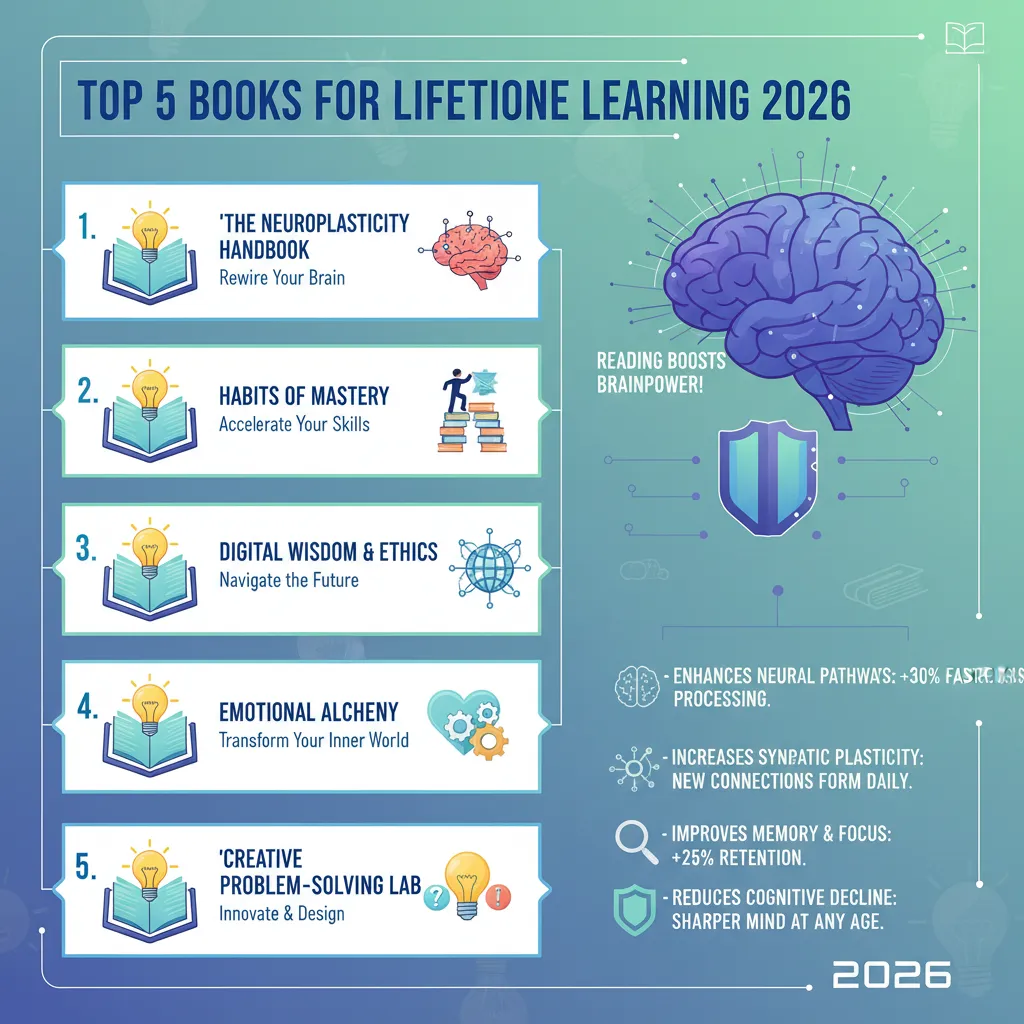
One of the primary purposes people have for reading books is the quest for knowledge. In an era where information is abundant yet often superficial, books offer depth and context that quick online searches can’t match. Reading allows individuals to explore topics thoroughly, from history and science to philosophy and self-improvement, building a foundation of understanding that lasts a lifetime.
Consider the cognitive benefits: A 2023 study from Emory University, revisited in 2026 reports, showed that reading activates multiple brain regions, creating new neural pathways that enhance problem-solving and critical thinking. For students and professionals, this translates to better academic performance and career advancement. Books like “Sapiens” by Yuval Noah Harari or “Atomic Habits” by James Clear aren’t just reads; they’re tools for acquiring skills and insights that apply to real-life scenarios.
People read to stay informed and adaptable. In fast-paced industries like technology or finance, staying ahead means devouring industry-specific literature. Entrepreneurs often cite biographies of figures like Elon Musk or Oprah Winfrey as sources of inspiration and strategic wisdom. Reading fosters curiosity, encouraging lifelong learning—a trait linked to higher job satisfaction and innovation.
Beyond professional growth, reading satisfies intellectual curiosity. History buffs immerse themselves in narratives like “The Guns of August” to understand world events, while science enthusiasts turn to works like “The Elegant Universe” for mind-bending concepts. This purpose isn’t limited to non-fiction; even fiction expands knowledge by exposing readers to diverse cultures, languages, and perspectives.
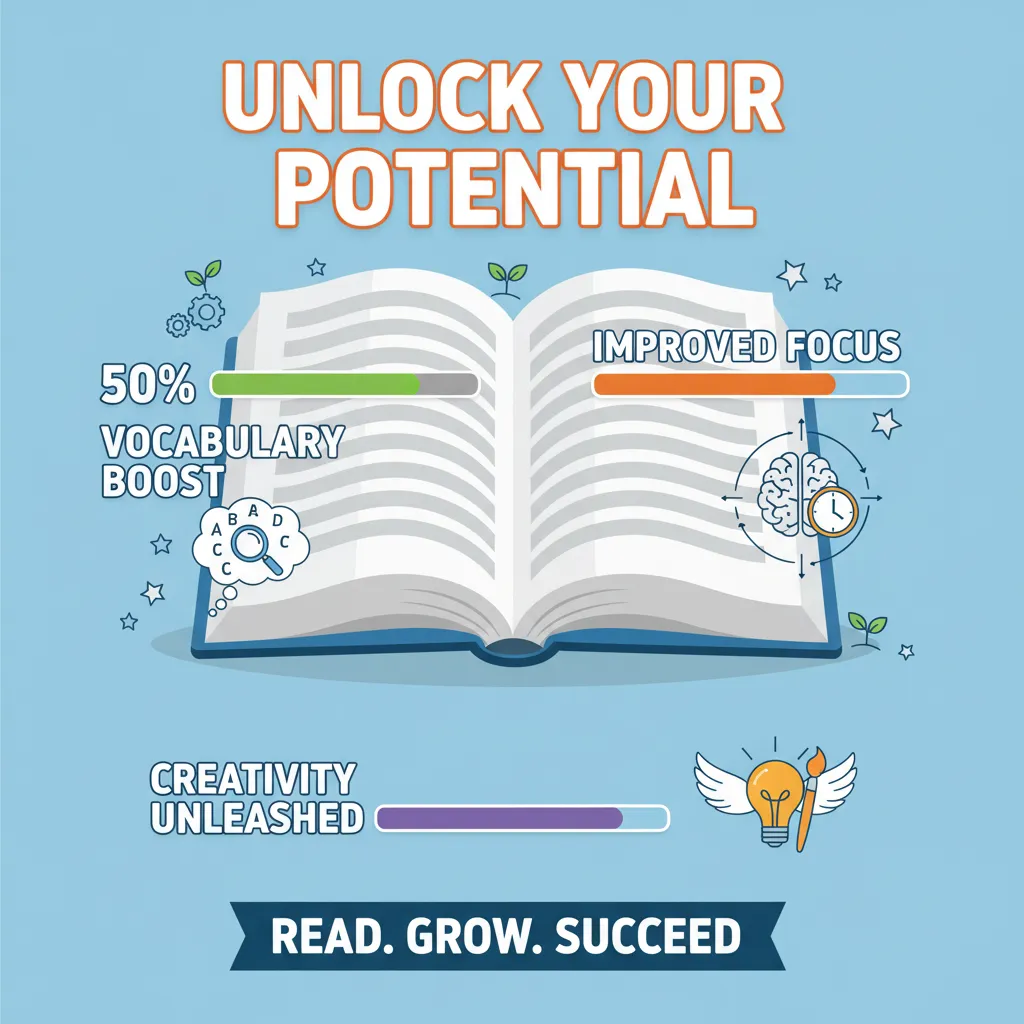
Statistics underscore this: A 2026 National Geographic article highlights that regular readers score 20% higher on general knowledge tests. For parents, reading to children boosts vocabulary by 50% more than screen time, setting a foundation for future success. In essence, reading for knowledge isn’t just about facts—it’s about cultivating a well-rounded worldview.
But knowledge pursuit isn’t without challenges. In our distracted age, maintaining focus is key. Techniques like setting reading goals or joining book clubs can help. Ultimately, the purpose here is empowerment: Books equip us to navigate life’s complexities with confidence and clarity.
Mental Health Benefits: A Sanctuary for the Mind
In 2026, with mental health awareness at an all-time high, many turn to books as a therapeutic tool. The purpose? To alleviate stress, combat anxiety, and promote emotional well-being. Reading serves as a form of mindfulness, pulling us away from daily worries and into immersive stories or insightful reflections.
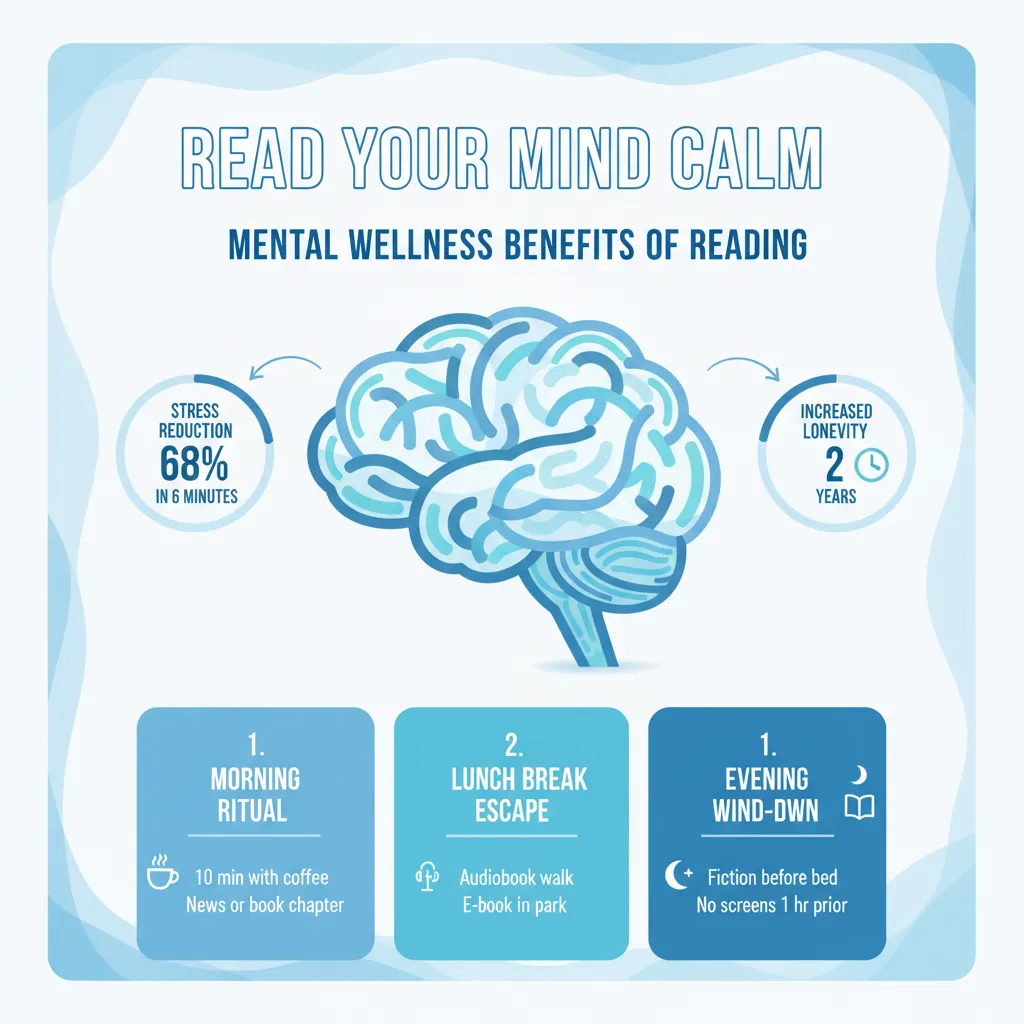
Science backs this up profoundly. A 2009 University of Sussex study, still relevant today, found that just six minutes of reading reduces stress by 68%—more effective than listening to music or walking. Why? It lowers heart rate and eases muscle tension, providing a mental reset. In a post-COVID world, where 76% of Americans report stress impacting their health (per a 2022 APA poll, updated in 2026), books offer accessible relief without side effects.
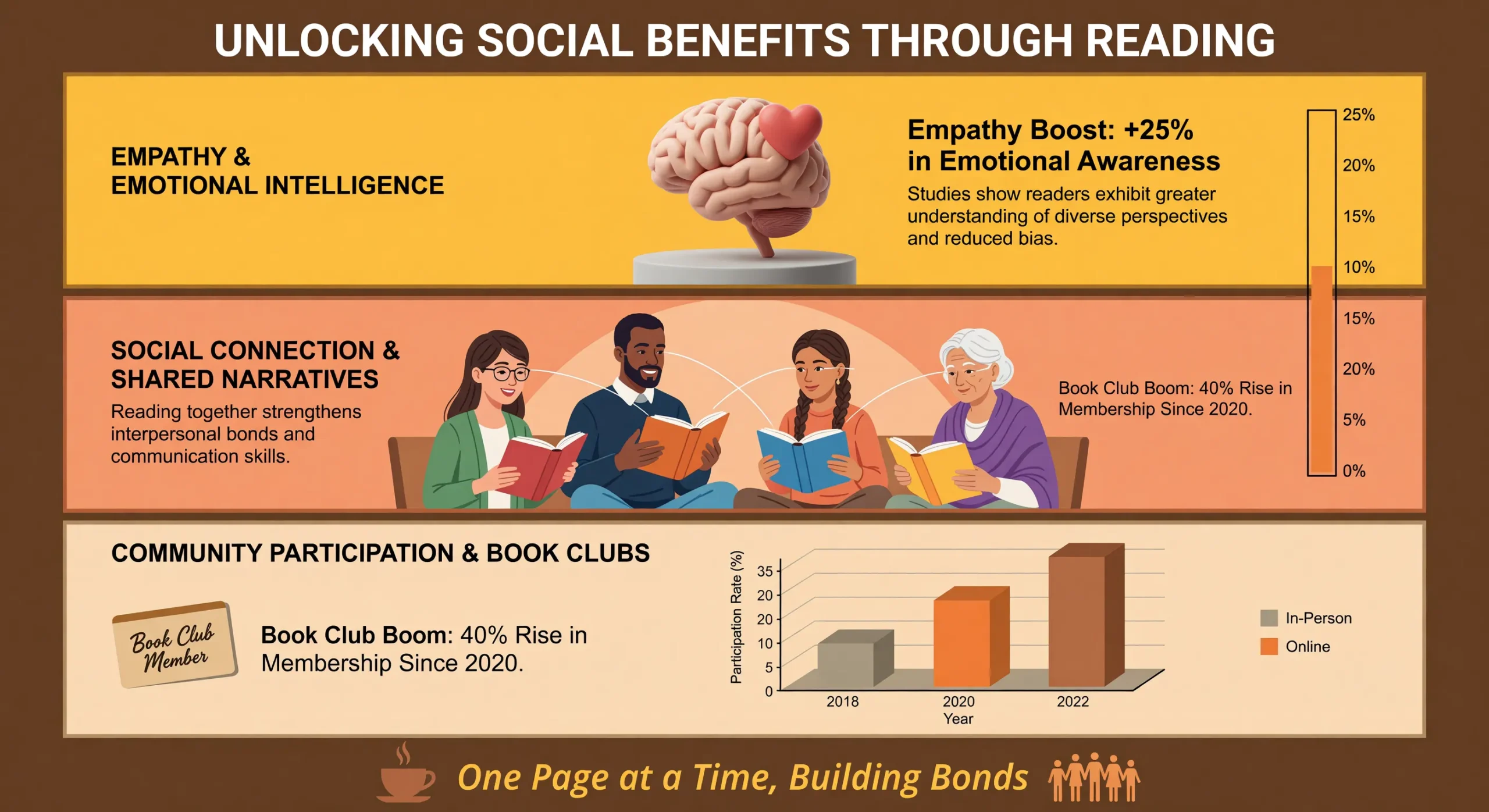
Reading also combats loneliness, a growing epidemic. Books provide companionship through characters and narratives, fostering a sense of connection. A 2026 National Geographic piece notes that book club participants report 30% lower loneliness levels, as shared discussions build community. For introverts, solitary reading offers intimacy without social pressure.
Moreover, reading enhances sleep quality—a crucial mental health pillar. Unlike screens’ blue light, books prepare the brain for rest, leading to deeper sleep cycles. Studies from WebMD in 2024 show avid readers fall asleep faster and wake refreshed, reducing risks of depression and burnout.
On a deeper level, reading builds resilience. Self-help books like “The Body Keeps the Score” by Bessel van der Kolk help process trauma, while memoirs inspire hope. Therapists often recommend bibliotherapy, where tailored reading addresses specific issues like grief or anxiety.
For daily life, incorporating reading means setting aside “book time”—perhaps before bed or during commutes. The purpose extends to prevention: Regular reading lowers dementia risk by keeping the brain active, as per 2026 cognitive health research. In summary, books aren’t just escapism; they’re a proactive strategy for mental fortitude.
Personal Development: Building a Better Self
People read books to evolve personally, seeking purposes like self-improvement, habit formation, and goal achievement. In a self-optimization culture, books act as mentors, guiding us toward better versions of ourselves.
Vocabulary expansion is a key benefit. The more you read, the richer your language becomes—essential for communication and confidence. A 2026 Neuronation report states readers encounter 50% more words than non-readers, improving articulation in conversations and writing.
Reading sharpens focus and concentration, countering digital distractions. Long-form reading trains the brain to sustain attention, boosting productivity. As neuroscientist Lisa Genova explains in a 2026 Real Simple article, this extended focus reduces errors and enhances task efficiency.
Creativity flourishes through reading. Fiction stimulates imagination, while non-fiction sparks innovative ideas. A Penn State study links reading to better judgment and logic application, vital for personal decision-making.
Motivationally, books inspire action. Titles like “How to Win Friends and Influence People” by Dale Carnegie teach interpersonal skills, while “Mindset” by Carol Dweck promotes growth thinking. Readers report higher self-esteem and clearer career goals.
For habit-building, reading itself reinforces discipline. Starting with 30 minutes daily, as suggested in longevity studies, compounds benefits. Challenges like Goodreads’ annual goals keep momentum.
In 2026, with AI and automation rising, personal development via books ensures human skills like creativity remain irreplaceable. Thus, reading’s purpose here is transformative—turning aspirations into realities.
Social and Emotional Benefits: Fostering Connections and Empathy
Beyond individual growth, reading serves social purposes, enhancing relationships and emotional intelligence. People read to understand others, bridging divides in an increasingly polarized world.
Empathy is a standout benefit. Literary fiction simulates real-life emotions, allowing readers to “live” others’ experiences. A 2026 Real Simple study shows readers are 25% more empathetic, improving interactions and reducing conflicts.
Socially, books spark conversations. Book clubs and discussions foster bonds, as shared insights create community. Pew Research from 2012, echoed in 2026, notes 26% enjoy reading for knowledge-sharing, strengthening ties.
Emotionally, reading provides escape and joy. It offers “quiet entertainment,” as respondents describe, diverting from reality while enriching the inner world. This balance prevents burnout and nurtures happiness.
For families, reading aloud builds bonds and empathy in children, preparing them for compassionate lives. In diverse societies, books expose cultural perspectives, promoting tolerance.
Challenges include finding relatable books, but apps like Libby help. The purpose? To cultivate deeper, more meaningful connections.
Conclusion: Embrace Reading for a Fulfilling Life
In exploring why people want to read books and their purposes, it’s clear this habit is multifaceted—spanning knowledge, mental health, personal growth, and social bonds. With benefits like extended lifespan (up to 2 years, per 2016 studies updated in 2026) and stress reduction, reading is an investment in holistic well-being.
Make it part of your routine: Start small, choose enjoyable genres, and track progress. In 2026’s fast world, books offer timeless value. Pick one up today—your future self will thank you.